

Turmeric (Curcuma longa) has a long history of use as a culinary spice and traditional remedy. Modern research has focused primarily on one class of compounds found in turmeric — curcuminoids, with curcumin being the most studied.
Understanding Curcumin and BioavailabilityCurcumin is a polyphenolic compound responsible for the characteristic yellow colour of turmeric. In laboratory and clinical research, curcumin has been shown to interact with a variety of biological pathways related to oxidative stress and inflammation.
One challenge recognised in scientific literature is that curcumin by itself is poorly absorbed when ingested orally. To help this, many supplements combine curcumin with piperine (Bioperine™), a constituent of black pepper. Piperine has been shown in some studies to enhance the bioavailability of curcumin, increasing its presence in the bloodstream compared to curcumin taken alone.
Anti-Oxidant and Anti-Inflammatory PropertiesSome peer-reviewed research indicates that curcumin exhibits antioxidant activity, which is the ability to neutralise free radicals, and is also involved in the inflammatory response. It is thought turmeric whole-root extracts also exhibit similar biochemical activity.
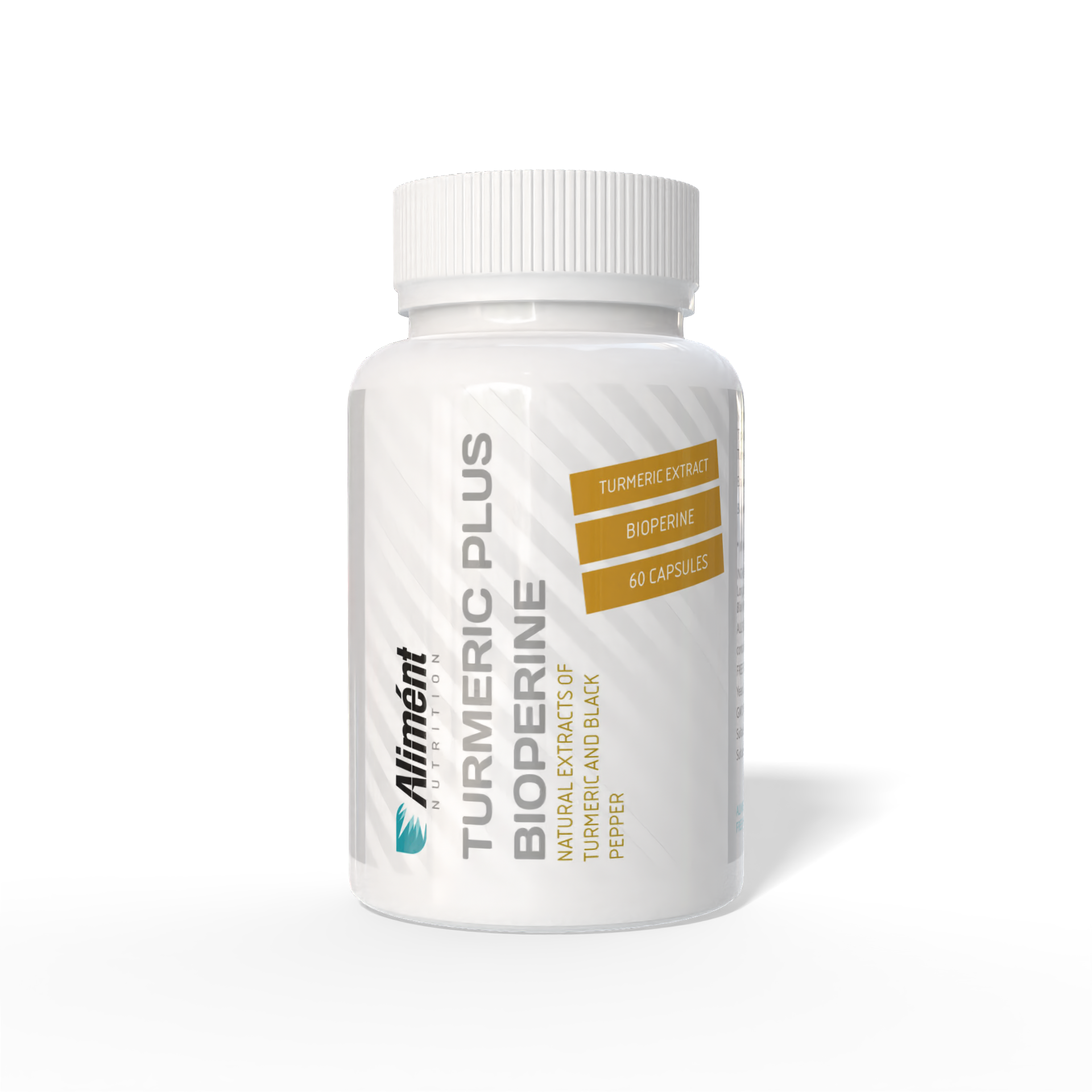
Turmeric & Bioperine Capsules
Support your wellness with our high-quality turmeric capsules, crafted from organically grown turmeric and enhanced with Bioperine black pepper for optimal absorption.
Shop Now
